
There is a lot of well known research into longevity and the correlation with remaining social, having activities/remaining active and having friend groups in the human health world. Even without the absolute best diet or lifestyle, a large percentage of the key to longevity for us can be attributed to remaining active and social. Those who don’t, or those who slowly fade into a single, sole existence have been shown to succumb to health issues, age and pass away much sooner. Did you know that the exact same thing can be said for dogs as well?
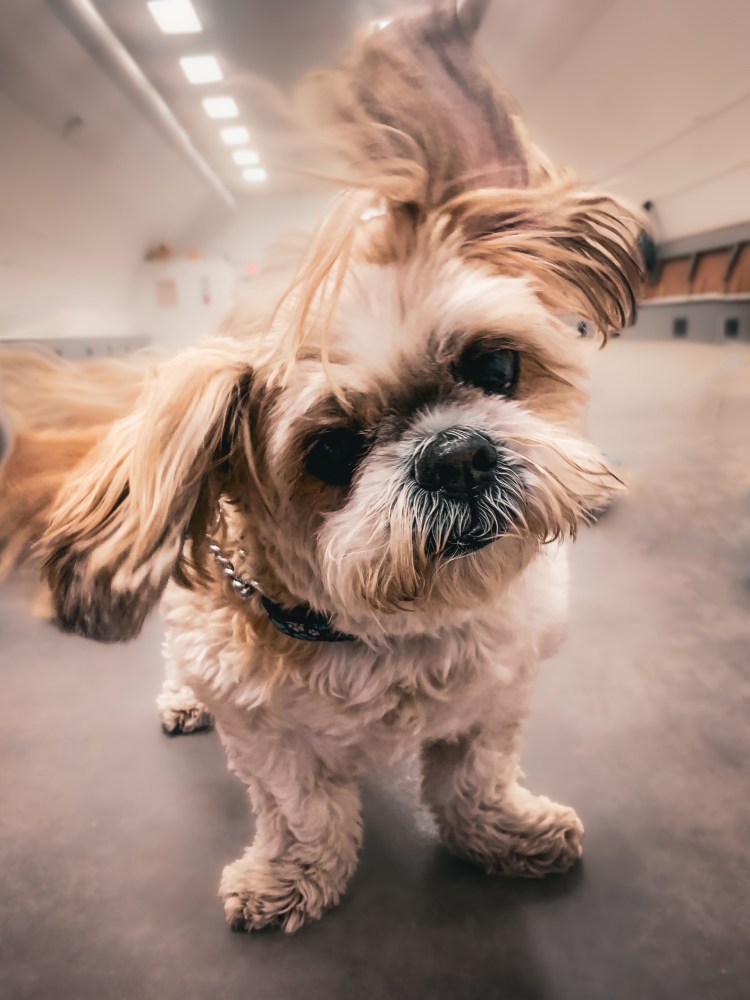
A small dog, adopted at about 10.5 years old, who is currently in my Basic Class sparked this post as the owners were insistent that training would be good for her, even at her more advanced age, and they were absolutely correct. Even though this dog may not be able to perform some of the things that we work on with the same accuracy or with the same speed, she has been doing remarkably well, especially considering she came with zero prior training.
Physically it can be tough for older dogs, and we have to be aware of what they are capable of regards to repetitions and certain positions. Mentally it can be a bit of a longer process for them to grasp certain concepts, but not drastically so. It is important to make sure that we don’t over do it with older dogs, and we take into considerations their age limitations. But just because they have limitations doesn’t mean that we shouldn’t train them or that they are incapable of learning. This is a huge fallacy that seems to continuously float around in the public that old dogs can’t learn new tricks. Poppycock, I say.
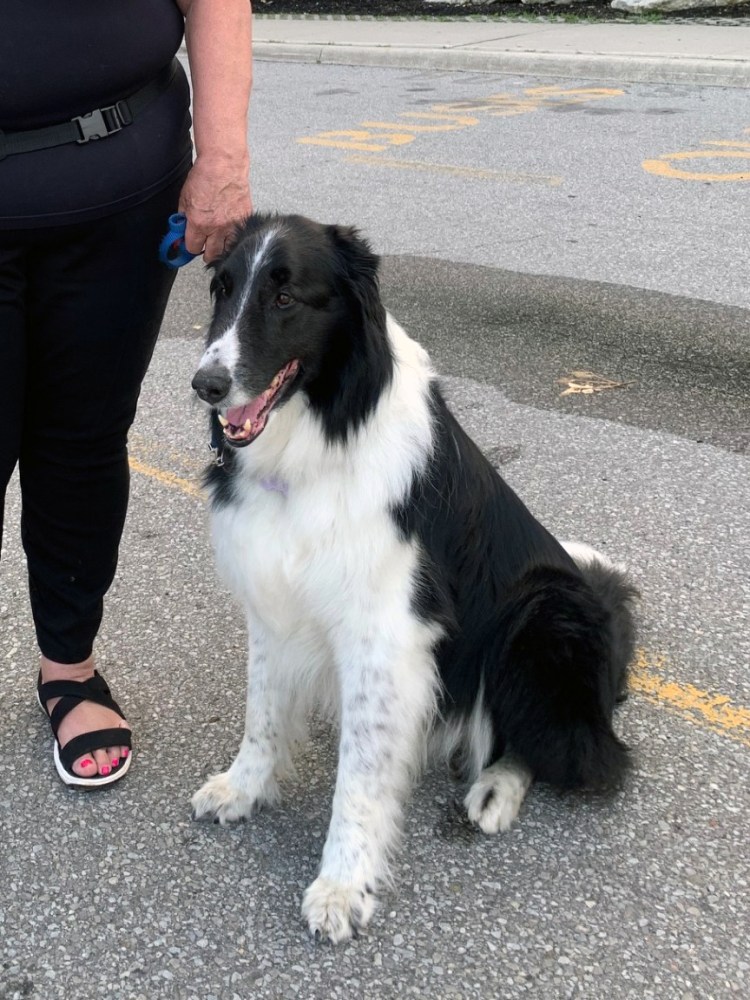
The benefits of training older dogs are endless for them, even if it is just super simple things that, at bare minimum, keep their minds/bodies active and get them out and about with people/other dogs. Keeping them home, not allowing them to see the world or be social and depriving them of training and “work” just because they are older, is doing them a huge disservice, and potentially reducing their life expectancy. Dogs, like us, thrive on remaining social, being part of the family, learning new things, and being active. Not allowing them these things because they are old/older sentences them to early deaths.
I’ve watched this little dog in my Basic Class go from wanting to get the heck out and not really wanting to do much, to becoming more engaged and happy to be participating. A spring in her step so to speak. I’ve had a myriad of older dogs over the years, whether they come in at an older age, or whether they have been with me for years upon years, and every single one of them is ALWAYS happy to be participating, shows joy of being involved and becomes a bit younger looking when they are training and working, regardless of if they can perform everything or not. I’ve seen it time and time again and it’s joyful to watch.
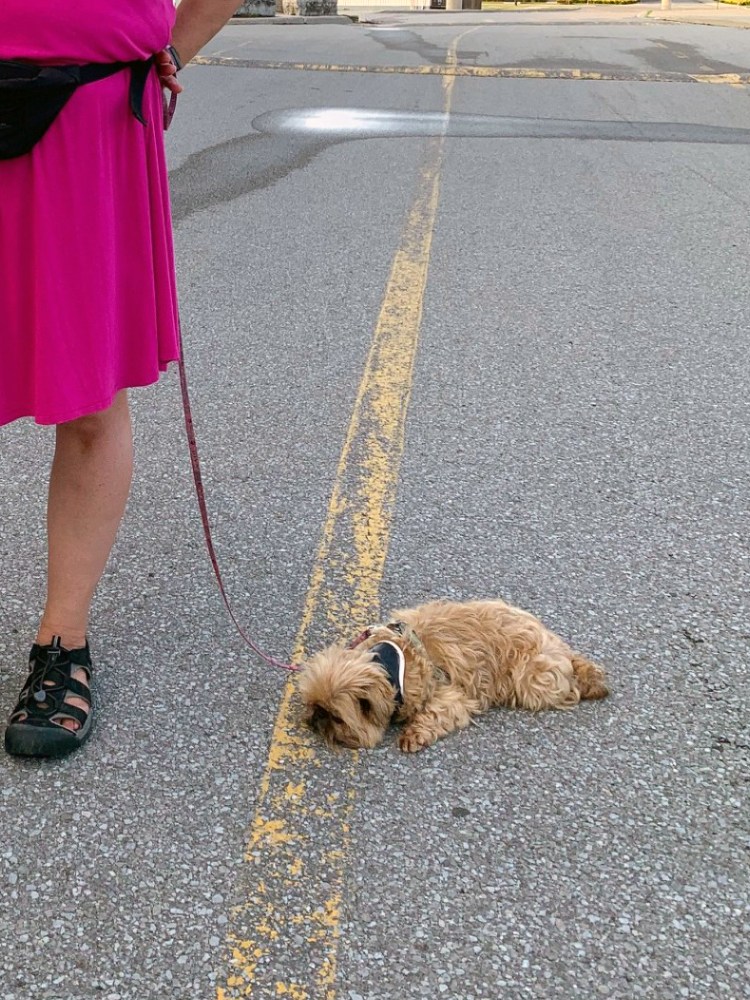
So don’t disregard your older dogs mental/physical needs just because they’re old or have certain health conditions. Maybe consider adoption of an older dog who would benefit from family life and training, and don’t stop working with your dog just because they reach a certain age.
Hats off to these owners who have taken on the adoption of an older dog and dedicated time and patience to helping her become her best self. It’s truly lovely to see older dogs thrive in training class and a new spark for life emerge when we keep them active, social and engaged.
Happy training!
 Smart Dogs Canine Training Milton